

Grow a Living Digital Garden of Ideas
Seeds, Soil, and Stack: Picking Tools That Grow With You
Local-First and Portable by Design
Plain text and Markdown withstand trends, making notes easy to version, search, and migrate. Tools like Obsidian or Logseq keep files on your drive, then sync if desired, giving ownership and privacy by default. Store everything in human-readable folders, not opaque databases. Add Git for history if it fits your flow. This foundation encourages experimentation with plugins and publishing workflows without fear, because your core remains accessible, auditable, and resilient across operating systems and changing circumstances.
Capture Flow You’ll Actually Use
If capturing an idea takes more than a moment, you will postpone it and momentum fades. Build a quick entry habit: global hotkeys, mobile widgets, voice-to-text, and lightweight templates for repeatable moments. Keep capture distinct from categorizing, so you never hesitate to jot fragments. Later, refine and connect. A generous inbox and small evening triage beat immaculate systems never used. Prioritize reliability, speed, and low cognitive overhead, ensuring brilliant sparks land safely before they drift away.
Visualization and Extensions That Reveal Patterns
Graph views, backlink panes, and query dashboards surface relationships your memory forgets. Plugins that enrich metadata, improve search, or automate reviews transform scattered notes into directional insights. Beware shiny features that distract from writing; adopt slowly and evaluate with real work. Favor tools that clarify decision-making, accelerate retrieval, and spark synthesis. When visualizations consistently prompt better questions, keep them. If they entertain without insight, prune. Let your extensions remain humble servants to thoughtful reading, revisiting, and writing.
Designing Taxonomies That Breathe

Linking for Insight, Not Just Navigation
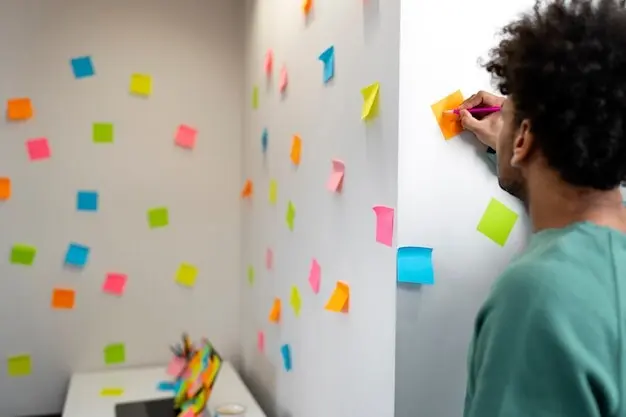
Bidirectional Links and Signals of Relevance

Linking Heuristics That Scale

Refactoring Links into Structures

Seed Notes Encourage Low-Pressure Starts
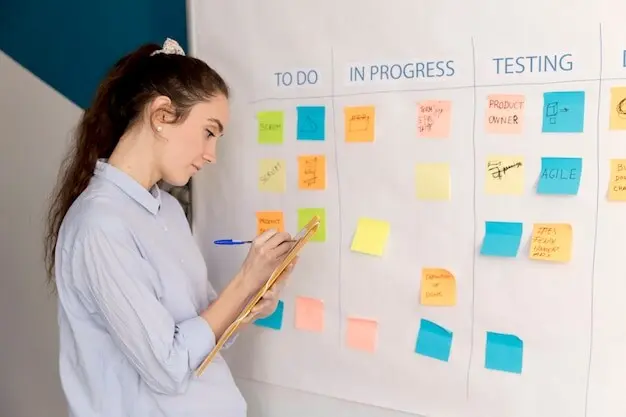
Cultivating Evergreen Notes with Synthesis

Gentle Review Rhythms Keep Ideas Fresh
Rituals That Reduce Overwhelm
Pruning with Context, Not Guilt
Composting Fragments into Future Insight
Publishing Paths and Community Feedback Loops

All Rights Reserved.