

Link Your Notes, Grow Your Mind

Today we dive into Zettelkasten and networked thought for self-directed learning, turning scattered highlights into a connected engine for insight. You will learn how small, linked notes compound into understanding, how questions drive structure, and how daily practice produces essays, projects, and confident decisions. Bring a notebook or your favorite app, follow the prompts, and share what you build; our community thrives on experiments, reflections, and generous feedback.

Foundations of a Living Knowledge Garden

From Highlights to Insights

Begin by capturing fleeting sparks and clean excerpts, but never stop there; translate quotations into your own words, noting why they matter and how they challenge previous beliefs. Distill each insight into a permanent, standalone note that cites sources and links to related ideas. The act of rewriting becomes a thinking step, turning underlined pages into a trustworthy workshop where questions sharpen, biases surface, and memorable connections finally emerge.

Atomic Notes that Stand Alone

Keep each note focused on one concept, framed with a clear title that would still make sense to a stranger months later. Add just enough context to stand independently, include a source if relevant, and embed deliberate links. These tiny units travel well across projects, recombining into arguments, tutorials, or designs without bloating. Their simplicity lowers friction, keeps revisions manageable, and invites future-you to improve instead of duplicate work.

Linking as Thinking

Whenever you link, briefly explain why the connection exists, even if the reason feels obvious today. Those annotations preserve intent and turn your network into readable reasoning, not mere navigation. Follow backlinks to revisit earlier steps, create associative trails, and notice bridges between distant clusters. Over weeks, patterns form naturally, revealing ripe questions for essays, experiments, or decisions. Serendipity stops being luck and becomes a repeatedly engineered outcome.

Workflows that Reduce Friction

Friction kills consistency, so design a path from capture to review that fits your life. Choose plain-text tools you enjoy, set a daily note to stage ideas, and batch processing when energy is higher. Templates nudge good habits without rigidity, while checklists reduce hesitation. Whether you prefer paper cards, Obsidian, Logseq, or simple folders, the crucial part is returning regularly, linking deliberately, and closing each session with a tiny improvement.

Creating from the Network

Assemble Arguments from Chains

Identify a provocative claim, then collect note chains that support, challenge, and contextualize it. Arrange them so each paragraph advances tension, not merely repeats evidence. Link back to source notes, preserving provenance for later reuse. When contradictions appear, celebrate them; they reveal interesting forks for future work. This approach mirrors scientific literature reviews while staying lightweight, letting you maintain integrity, agility, and a paper trail readers can explore.

From Questions to Papers

Let your curiosity write the brief. Turn guiding questions into temporary index notes that gather links across domains. As patterns converge, promote the index into a living spine for an article, report, or video. Keep scope small, ship a version, and collect reactions. Those reactions spawn new questions and notes, feeding the next iteration. Your portfolio grows alongside understanding, demonstrating process, not perfection, to collaborators, clients, mentors, and future employers.

Publish to Learn

Share public notes, newsletters, or short videos that reveal how you think, not just what you concluded. Transparency invites peers to test assumptions, lend references, and suggest counterexamples. Credit contributors by linking their work directly in your notes. This generosity compounds goodwill and knowledge simultaneously. Publishing becomes a learning loop, strengthening your network of ideas and people, turning solitary study into communal discovery without sacrificing reflection or intellectual ownership.

Goal Setting without Handcuffs

Define directions rather than fixed destinations: what skill, which constraint, and by when. For example, explain gradient descent to a teenager by Friday guides collection and synthesis without freezing curiosity. Review goals weekly, prune those no longer exciting, and expand those proving fertile. This gentle cadence prevents guilt-driven sprints and burnout, letting consistent, playful effort deliver breakthroughs while life remains full of surprises and competing responsibilities.

Daily Questions that Stick

Keep a short list of recurring prompts in your daily note: what surprised me, what contradicted yesterday, what can I explain plainly, and what deserves a permanent note today. These humble questions reduce choice paralysis and train pattern recognition. Track answers across weeks to watch understanding shift. When a prompt stops producing value, replace it. When one explodes with insights, elevate it into a project index and invite collaborators.

Checkpoints and Honest Reviews

Every Friday, conduct a lightweight retrospective: what shipped, which notes gained the most links, where confusion increased, and what to try differently next week. Capture one celebratory win and one stubborn bottleneck. Adjust your environment before chasing motivation. Share highlights with a friend or community for accountability and serendipity. Gentle, honest measurement turns self-directed learning from vague intention into a sustainable, energizing practice with visible creative outputs.

Questions that Power Self-Direction

Clear questions act like magnets in a sea of information, pulling relevant references toward you and quietly dismissing noise. Start small, focusing on actionable challenges you can test within a week. Revisit wording until it demands evidence, not opinions. Pair process questions with product questions to balance exploration and delivery. Over months, these prompts steer reading, experiments, and collaborations, ensuring your Zettelkasten grows toward outcomes you actually care about.

Network Effects and Emergent Insight

Clusters, Bridges, and Serendipity
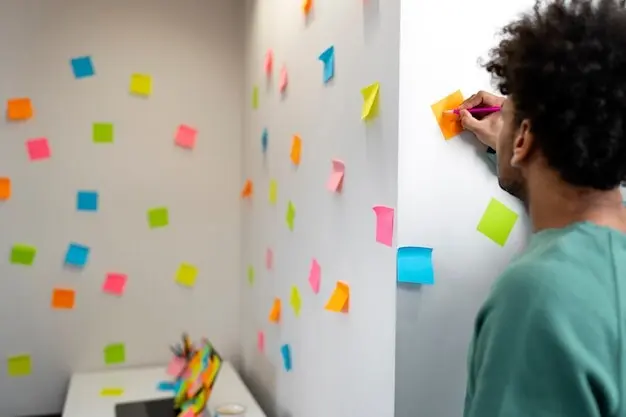
Watch for clusters that overfit a single perspective, then intentionally link to counterpoints in other regions. Bridge notes are leverage points; annotate why the jump matters. Occasionally traverse your graph randomly to discover forgotten questions. Celebrate unexpected pathways with small write-ups, because explanations solidify insight. Serendipity favors prepared networks, and preparation here simply means deliberate linking, patient review, and an open stance toward productive disagreement and conceptual remixing.

Refactor without Fear

Periodically rewrite titles for precision, split bloated notes, and merge duplicates ruthlessly. Create lightweight index notes—maps of content—that summarize neighborhoods and point to promising directions. Refactoring preserves agility and prevents nostalgia from freezing structure. Keep changes reversible by using version control or backups. Your future self will thank you when ideas reappear crisp, discoverable, and ready to fuel new projects rather than languishing as cluttered, outdated fragments.

Measuring What Matters

Track signals that correlate with insight, not vanity: proportion of linked notes, average backlinks per note, length of argumentative chains, and number of public artifacts shipped. Use dashboards sparingly to spark curiosity, not to chase scores. When a metric invites gaming, drop it. Let questions and conversations guide attention. Real progress shows up as clearer writing, faster synthesis, deeper collaborations, and a growing sense of playful confidence under uncertainty.

Tools, Portability, and Future-Proofing

Choose tools that make exiting painless. Plain text, Markdown, and simple folder structures outlive trendy databases. Prefer human-readable identifiers, double-bracket links, and timestamped IDs that travel across systems. Automate backups. Keep plugins optional rather than essential. If a tool disappears, your knowledge should remain intact, searchable, and reusable. Portability protects years of learning and gives you freedom to experiment boldly without fear of lock-in or catastrophic data loss.

Plain Text as Long-Term Memory

Markdown files are lightweight, diffable, and friendly to any editor. They store content and structure with minimal formatting noise, allowing you to process, publish, and migrate effortlessly. When paired with clear naming and stable identifiers, they become durable containers for thinking. Even if your favorite app changes business models, your ideas remain yours. That confidence invites curiosity, risk-taking, and ambitious projects that would otherwise feel too fragile to start.

Stable Identifiers Beat Folders

Give every permanent note a stable, unique ID—timestamp, hash, or short slug—then reference it in links and commits. This separates identity from location, letting notes move without breaking connections. Folders can express convenience, not meaning. Over time, IDs become reliable anchors for citations, glossaries, and cross-tool integrations. When everything stays addressable, your network grows resilient, resisting entropy while welcoming change, refactors, and new workflows earned through experience.

APIs, Integrations, and Backups

Export regularly to plain text, sync across devices with version control, and schedule automated offsite backups. If your tool offers an API, build tiny scripts that surface orphan notes, stale links, or interesting clusters. Avoid brittle automations; prefer small helpers you understand. Document your workflow so future-you can repair it quickly after interruptions. Nothing kills momentum like uncertainty about where knowledge lives or whether yesterday’s progress still exists.
Lorolaxipalokarosira
Privacy Overview

This website uses cookies so that we can provide you with the best user experience possible. Cookie information is stored in your browser and performs functions such as recognising you when you return to our website and helping our team to understand which sections of the website you find most interesting and useful.